About CPKN
Board of Directors
CPKN is governed by a volunteer Board of Directors that establishes strategic goals and oversees the management of the organization. Board members are primarily senior level policing professionals from police services and training institutions.
The role of the Board is to:
- Develop and, when applicable, execute high level strategic initiatives
- Authorize expenditures and establish executive limitations
- Delegate authority for the operation to its officers and employees
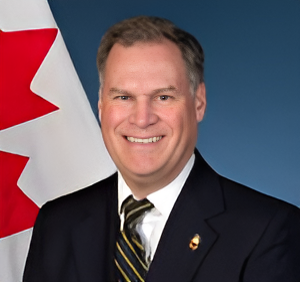
Hon. Julian Fantino
Chair
Julian Fantino was elected to the House of Commons in November 2010 and re-elected in 2011. He is currently the Associate Minister of National Defense.
Prior to his election to Parliament, Mr. Fantino served almost 40 years in law enforcement. He was Chief of the York Regional Police and of the Toronto Police Service. He served as Ontario’s Commissioner of Emergency Preparedness and as Commissioner of the Ontario Provincial Police. Mr. Fantino is also the past President of the Ontario Association of Chiefs of Police and the past Vice-President at Large of the International Association of Chiefs of Police. He has lectured extensively to the police community, the public sector and government bodies in Canada and the United States and is the co-author on his best-selling autobiography DUTY: The Life of a Cop.
Mr. Fantino is active in local and international victim rights groups, including as an honorary member of Canadian Crime Victims Foundation. He is involved in community organizations, including programs to make organized sports accessible to disadvantaged children; supports the Hospice Vaughan; and participates on the board of Vaughan’s Villa Leonardo Gambin long-term care facility.
He and his wife, Liviana, have two children.
Prior to his election to Parliament, Mr. Fantino served almost 40 years in law enforcement. He was Chief of the York Regional Police and of the Toronto Police Service. He served as Ontario’s Commissioner of Emergency Preparedness and as Commissioner of the Ontario Provincial Police. Mr. Fantino is also the past President of the Ontario Association of Chiefs of Police and the past Vice-President at Large of the International Association of Chiefs of Police. He has lectured extensively to the police community, the public sector and government bodies in Canada and the United States and is the co-author on his best-selling autobiography DUTY: The Life of a Cop.
Mr. Fantino is active in local and international victim rights groups, including as an honorary member of Canadian Crime Victims Foundation. He is involved in community organizations, including programs to make organized sports accessible to disadvantaged children; supports the Hospice Vaughan; and participates on the board of Vaughan’s Villa Leonardo Gambin long-term care facility.
He and his wife, Liviana, have two children.
Deputy Chief Roger Chaffin
Calgary Police Service
Roger Chaffin is a 25-year member of the Calgary Police Service and presently holds the rank of Deputy Chief in charge of the Bureau of Organizational Support.
As a Senior Officer with the Service, he has held the positions of a Duty Inspector, and the Inspector in charge of the Chief Crowfoot Learning Center. In the rank of Superintendent he was first assigned to the Office of the Chief in charge of areas such as Professional Standards and Legal Services. In his second year he was assigned to the Criminal Operations Division. In 2010 he was promoted to Deputy Chief in charge of the Bureau of Organizational Support which consists of the Employee Services Division, Information and Technology Division, as well as the Infrastructure Services Division.
In addition to being a member of the Chief’s Executive Committee, Deputy Chief Chaffin is the provincial representative on the CPIC Advisory Committee, as well as a member of the Provincial Governance Committee for the Alberta’s Law Enforcement Training Center; the Alberta Police Integrated Information Initiative (API3) and the senior police representative on the Governance Committee for the Alberta First Responders Radio Committee. He also sits on the CACP Ethics Committee and the Board of Directors for the Canadian Police Knowledge Network.
As a Senior Officer with the Service, he has held the positions of a Duty Inspector, and the Inspector in charge of the Chief Crowfoot Learning Center. In the rank of Superintendent he was first assigned to the Office of the Chief in charge of areas such as Professional Standards and Legal Services. In his second year he was assigned to the Criminal Operations Division. In 2010 he was promoted to Deputy Chief in charge of the Bureau of Organizational Support which consists of the Employee Services Division, Information and Technology Division, as well as the Infrastructure Services Division.
In addition to being a member of the Chief’s Executive Committee, Deputy Chief Chaffin is the provincial representative on the CPIC Advisory Committee, as well as a member of the Provincial Governance Committee for the Alberta’s Law Enforcement Training Center; the Alberta Police Integrated Information Initiative (API3) and the senior police representative on the Governance Committee for the Alberta First Responders Radio Committee. He also sits on the CACP Ethics Committee and the Board of Directors for the Canadian Police Knowledge Network.
Assistant Commissioner Cal Corley
Canadian Police College
Assistant Commissioner Cal Corley is the Director General of the Canadian Police College. The College, which is administered by the Royal Canadian Mounted Police, is a leader in providing police leadership and management development, as well as advanced and specialized police training with emphasis in the areas of organized and multi-jurisdictional crime.
Through his 35 years with the RCMP, A/Commr. Corley has gained extensive experience as a police officer, senior manager, and executive in areas such as criminal intelligence, national security, drug enforcement, human resources, and change management. He has also served as a national security policy advisor at the Privy Council Office.
A/Commr. Corley holds a Master of Business Administration (MBA) degree. Over the years, he has been a regular lecturer at the Canadian Police College's Police Executive Centre on the subjects of leadership and change management. He has also facilitated or lectured to a wide range of organizations both domestically and internationally on these topics.
In 2007, A/Commr. Corley was appointed to an international task force commissioned by the Jamaica Minister of National Security to conduct a strategic review of policing in that country. That work completed, he now continues in a senior advisory role in support of the executive group responsible for implementing reform in the Jamaica Constabulary Force.
Besides his two children, A/Commr. Corley's other passions in life include downhill skiing, sailing, running, and quiet time with his guitars.
Through his 35 years with the RCMP, A/Commr. Corley has gained extensive experience as a police officer, senior manager, and executive in areas such as criminal intelligence, national security, drug enforcement, human resources, and change management. He has also served as a national security policy advisor at the Privy Council Office.
A/Commr. Corley holds a Master of Business Administration (MBA) degree. Over the years, he has been a regular lecturer at the Canadian Police College's Police Executive Centre on the subjects of leadership and change management. He has also facilitated or lectured to a wide range of organizations both domestically and internationally on these topics.
In 2007, A/Commr. Corley was appointed to an international task force commissioned by the Jamaica Minister of National Security to conduct a strategic review of policing in that country. That work completed, he now continues in a senior advisory role in support of the executive group responsible for implementing reform in the Jamaica Constabulary Force.
Besides his two children, A/Commr. Corley's other passions in life include downhill skiing, sailing, running, and quiet time with his guitars.
Superintendent Kimberley Greenwood
Toronto Police Service
Superintendent Kimberley Greenwood began her policing career with the Toronto Police Service (TPS), in 1981. During her 29 year career, she has served in Divisional Policing, Detective Operations, Professional Standards, and Prosecution Services. She has held senior management positions in many areas of the TPS and is currently the Unit Commander of the Toronto Police College.
Superintendent Greenwood is presently enrolled in the University of Guelph Humber and is working to complete her Bachelor of Applied Arts Degree in Justice Studies. She completed her Police Foundations Leadership Profile Diploma at Humber College in 2010, the Community Policing Management Program at Queen’s University in 2000, attended Seneca College during the 1980‘s and has studied American Sign Language.
In addition to uniform, investigative and administrative assignments, Superintendent Greenwood holds several Province of Ontario accreditations. She has been a Police Services Act Hearing Officer since 2008, is designated as a Police Services Act Prosecutor, and is a qualified Sexual Assault, Child Abuse, and Criminal Investigator. From 2002 - 2005, while assigned to Professional Standards she lead a team that developed and implemented a Professional Standards Information System (PSIS), which is used by senior management as an early intervention identification tool.
Superintendent Greenwood is a member of the Ontario Association of Chiefs of Police, the Canadian Association of Chiefs of Police, the Canadian Society for Training and Development, and the Toronto Police Amateur Athletic Association. In addition to these memberships, she is Chair of the International Association of Chiefs of Police 2011 Executive Committee Conference, and is Co-Chair of the Toronto 2017 World Police and Fire Games Bid Committee.
In 2009, Superintendent Greenwood was appointed to the Board of Directors of the Women’s College Hospital Foundation. Her other community endeavours include membership in the Board of Directors of the Good Neighbours Club, and membership on the Ryerson University Safety Committee.
Superintendent Greenwood is presently enrolled in the University of Guelph Humber and is working to complete her Bachelor of Applied Arts Degree in Justice Studies. She completed her Police Foundations Leadership Profile Diploma at Humber College in 2010, the Community Policing Management Program at Queen’s University in 2000, attended Seneca College during the 1980‘s and has studied American Sign Language.
In addition to uniform, investigative and administrative assignments, Superintendent Greenwood holds several Province of Ontario accreditations. She has been a Police Services Act Hearing Officer since 2008, is designated as a Police Services Act Prosecutor, and is a qualified Sexual Assault, Child Abuse, and Criminal Investigator. From 2002 - 2005, while assigned to Professional Standards she lead a team that developed and implemented a Professional Standards Information System (PSIS), which is used by senior management as an early intervention identification tool.
Superintendent Greenwood is a member of the Ontario Association of Chiefs of Police, the Canadian Association of Chiefs of Police, the Canadian Society for Training and Development, and the Toronto Police Amateur Athletic Association. In addition to these memberships, she is Chair of the International Association of Chiefs of Police 2011 Executive Committee Conference, and is Co-Chair of the Toronto 2017 World Police and Fire Games Bid Committee.
In 2009, Superintendent Greenwood was appointed to the Board of Directors of the Women’s College Hospital Foundation. Her other community endeavours include membership in the Board of Directors of the Good Neighbours Club, and membership on the Ryerson University Safety Committee.
Geoffrey M. Gruson
Canadian Police Sector Council
Since earning his Bachelor of Arts and Masters of Business Administration from the University of Ottawa, Geoff has spent more than 28 years working with both the public and private sector. Working with organizations such as IBM, Health and Welfare Canada, Citizen and Immigration, Human Resource Development Canada, Custom and Excise and Price Waterhouse Coopers Consulting, Geoff specializes in strategic planning and performance management. Geoff spent five years with the RCMP in the position of Acting Deputy Commissioner during which time he led the strategic and business planning transformation process.
Geoff recently accepted the position of Executive Director of the Canadian Police Sector (CPSC). Established in 2004, the CPSC was created to research, coordinate and implement recommendations within the policing industry to attract the next generation of talent, increase sector efficiencies, improve human resources planning, improve labour and management relations and increase funding and resources.
Geoff has a professional designation from the Institute of Certified Management Consultants. His strengths lie in the management consulting process, performance management, business process re-engineering theory and methods, project management and financial planning management.
As a result of his close ties with the police community, federal government and police research, Geoff has been requested to represent the National Research Council on CPKN's Board of Directors.
Geoff recently accepted the position of Executive Director of the Canadian Police Sector (CPSC). Established in 2004, the CPSC was created to research, coordinate and implement recommendations within the policing industry to attract the next generation of talent, increase sector efficiencies, improve human resources planning, improve labour and management relations and increase funding and resources.
Geoff has a professional designation from the Institute of Certified Management Consultants. His strengths lie in the management consulting process, performance management, business process re-engineering theory and methods, project management and financial planning management.
As a result of his close ties with the police community, federal government and police research, Geoff has been requested to represent the National Research Council on CPKN's Board of Directors.
Commissioner Chris D. Lewis
Ontario Provincial Police
Chris D. Lewis became Commissioner of the Ontario Provincial Police (OPP) on August 1, 2010. By accepting this role, he assumed responsibility for one of North America’s largest deployed police services – a police service comprised of over 6,100 uniformed members, over 2,700 civilian employees and approximately 850 Auxiliary members who provide services to 942,405 square kilometres of land and 94,610 square kilometers of waterways. Commissioner Lewis oversees front-line delivery, administrative support services as well as specialized and multi-jurisdictional investigations throughout the province of Ontario.
During his 32-year career with the OPP, Commissioner Lewis has amassed a wealth of policing experience, particularly in front-line administration, various investigative disciplines and tactical operations. In addition to serving as Provincial Commander of Field Operations (2007-2010), he was Interim Provincial Commander of Strategic Services (2006); Commander of the Investigation Support; Investigation; and Information Technologies Bureaux (from 2004-2006); as well as Commander of OPP Eastern Region (2001-2004). Commissioner Lewis fulfilled the role of Director of the Criminal Investigation Branch (2000-2001) and was seconded as Director of the Criminal Intelligence Service Ontario (1996-1997). In 1998 and 1999, he formed and then commanded the OPP Emergency Management Bureau. He also worked with the Royal Canadian Mounted Police to establish and lead the Cornwall Regional Task Force (1993-1995).
Commissioner Lewis was awarded the Order of Merit of the Police Forces in 2004, and then subsequently promoted to Officer of the Order of Merit in 2010.
He has led the OPP response to a number of high-profile events impacting Ontario’s safety and security. Lewis is also a sought after lecturer on leadership and other policing issues and has authored numerous articles for police publications.
Commissioner Lewis is committed to community-based initiatives and recently served as a member of the Campaign Cabinet for the United Way of Greater Simcoe County. He also chairs the Ontario Association of Chiefs of Police Law Enforcement Torch Run for the Special Olympics Committee.
He holds numerous professional memberships such as the Federal Bureau of Investigation National Academy Associates, the Ontario Association of Chiefs of Police, the Canadian Association of Chiefs of Police and the International Association of Chiefs of Police.
During his 32-year career with the OPP, Commissioner Lewis has amassed a wealth of policing experience, particularly in front-line administration, various investigative disciplines and tactical operations. In addition to serving as Provincial Commander of Field Operations (2007-2010), he was Interim Provincial Commander of Strategic Services (2006); Commander of the Investigation Support; Investigation; and Information Technologies Bureaux (from 2004-2006); as well as Commander of OPP Eastern Region (2001-2004). Commissioner Lewis fulfilled the role of Director of the Criminal Investigation Branch (2000-2001) and was seconded as Director of the Criminal Intelligence Service Ontario (1996-1997). In 1998 and 1999, he formed and then commanded the OPP Emergency Management Bureau. He also worked with the Royal Canadian Mounted Police to establish and lead the Cornwall Regional Task Force (1993-1995).
Commissioner Lewis was awarded the Order of Merit of the Police Forces in 2004, and then subsequently promoted to Officer of the Order of Merit in 2010.
He has led the OPP response to a number of high-profile events impacting Ontario’s safety and security. Lewis is also a sought after lecturer on leadership and other policing issues and has authored numerous articles for police publications.
Commissioner Lewis is committed to community-based initiatives and recently served as a member of the Campaign Cabinet for the United Way of Greater Simcoe County. He also chairs the Ontario Association of Chiefs of Police Law Enforcement Torch Run for the Special Olympics Committee.
He holds numerous professional memberships such as the Federal Bureau of Investigation National Academy Associates, the Ontario Association of Chiefs of Police, the Canadian Association of Chiefs of Police and the International Association of Chiefs of Police.
Chief Edgar MacLeod
Executive Director, Atlantic Police Academy
Chief Edgar MacLeod began his policing career in 1973 following his graduation from the Atlantic Police Academy in Charlottetown, PEI. During his 32 years of policing, he has served on the Shelburne, Charlottetown and Sydney Police Departments. In 1993, he was appointed as Chief of Police for Cape Breton Regional Police Service and served in that position until he was appointed as Executive Director of the Atlantic Police Academy in January 2008.
Chief MacLeod is the Past President of the CACP, Chair of the National Joint Committee of Senior Justice Officials for the Atlantic Region, Past President of the Nova Scotia Chiefs of Police and has served as Director and Vice President on the CACP. He has served on several CACP committees and was Chair of the Crime Prevention Community Policing Committee. In 2003, Chief MacLeod was appointed an Officer to the Order of Merit of Police Forces at a ceremony in Rideau Hall, Ottawa. Chief MacLeod graduated with a Bachelor of Arts degree from the University College of Cape Breton, earning the Alteen Trophy for scholastic and leadership excellence. He has since completed the Executive Development Course as well as numerous other courses at the Canadian Police College.
Chief MacLeod has a strong community background. He has chaired and served on a wide variety of community agencies including Sydney Minor Baseball, Youth Alternative Measures, Howard House, Nova Scotia Heart Foundation and many others. In 1998, he chaired the Campaign for the United Way of Cape Breton. In October 1999, Chief MacLeod was selected by his peers within the Atlantic Provinces to be the first recipient of the Michael C. MacDonald Memorial Award for demonstrating excellence in matters of family, community and career.
Chief MacLeod is the Past President of the CACP, Chair of the National Joint Committee of Senior Justice Officials for the Atlantic Region, Past President of the Nova Scotia Chiefs of Police and has served as Director and Vice President on the CACP. He has served on several CACP committees and was Chair of the Crime Prevention Community Policing Committee. In 2003, Chief MacLeod was appointed an Officer to the Order of Merit of Police Forces at a ceremony in Rideau Hall, Ottawa. Chief MacLeod graduated with a Bachelor of Arts degree from the University College of Cape Breton, earning the Alteen Trophy for scholastic and leadership excellence. He has since completed the Executive Development Course as well as numerous other courses at the Canadian Police College.
Chief MacLeod has a strong community background. He has chaired and served on a wide variety of community agencies including Sydney Minor Baseball, Youth Alternative Measures, Howard House, Nova Scotia Heart Foundation and many others. In 1998, he chaired the Campaign for the United Way of Cape Breton. In October 1999, Chief MacLeod was selected by his peers within the Atlantic Provinces to be the first recipient of the Michael C. MacDonald Memorial Award for demonstrating excellence in matters of family, community and career.
Chief Andy McGrogan
Medicine Hat Police Service
Chief Andy McGrogan first joined the Medicine Hat Police Service in 1980.
As a 28 year veteran of the Service, Chief McGrogan has worked in a wide variety of positions including general Patrol Duties, Communications, Canine, Tactical Team Member and Commander, Criminal Investigations, Professional Standards and Development. After serving as an Inspector of both Support and Operational services, he was promoted to Deputy Chief of Police in September of 2007 and then to Chief of Police in November of 2008.
In 2006, Chief McGrogan received his Masters of Arts in Leadership and Training through Royal Roads University. He has a passion for Policing and finds pleasure in adding value to others. He has participated in instructing and facilitating through the Canadian Police College, Athabasca University and the Medicine Hat Community College in both the Police and Security and the Business administration programs.
As a 28 year veteran of the Service, Chief McGrogan has worked in a wide variety of positions including general Patrol Duties, Communications, Canine, Tactical Team Member and Commander, Criminal Investigations, Professional Standards and Development. After serving as an Inspector of both Support and Operational services, he was promoted to Deputy Chief of Police in September of 2007 and then to Chief of Police in November of 2008.
In 2006, Chief McGrogan received his Masters of Arts in Leadership and Training through Royal Roads University. He has a passion for Policing and finds pleasure in adding value to others. He has participated in instructing and facilitating through the Canadian Police College, Athabasca University and the Medicine Hat Community College in both the Police and Security and the Business administration programs.
Brian McMillan
Holland College
Dr. Brian McMillan is the President and Chief Executive Officer of Holland College in Prince Edward Island.
Prior to his Presidency in 2005, Dr. McMillan was Vice-President of Program Operations at Holland College. Before arriving at the College in 1997, Dr. McMillan was employed in several capacities as an educator and psychologist, including Jr. High teacher and school psychologist; as Superintendent for Administration and Programs in the PEI Unit 3 School Board; and as Associate Professor and Department Head in Mount Allison's Faculty of Education, Sackville, N.B.
Active in numerous organizations, Dr. McMillan is a registered psychologist with the New Brunswick College of Psychologists. Currently, he is a Past Chair and Honorary Life Member of Junior Achievement PEI; a member of the Junior Achievement of Canada National Board of Directors; a director for the Atlantic Provinces Economic Council; a Director on the Board of Governors of the PEI Business Hall of Fame; a Director and past Chair of the Atlantic Provinces Community College Consortium (APCCC), a Director and a member of the Executive Committee for the Association of Canadian Community College (ACCC), a board member of CHANCES, a member of the University of Prince Edward Island (UPEI) Board of Governors, a member of the Charlottetown Executive Association, and a Director of Innovation PEI.
In his research, Dr. McMillan's interests have focused on adults with learning disabilities, educational transition programs and entrepreneurship. Keenly interested in the achievements of young people, he has 17 publications to his credit including the co-authoring of Learning Disabilities in the Classroom, Liberal Education and the Small University in Canada and Frontiers of Entrepreneurship Research. He also co-authored Essential Skills and Transitions Programming: Giving Essential Skills Meaning. Most recently, Brian's leadership led him to being selected as one of the Top 50 CEO's in Atlantic Canada by Atlantic Business Magazine, 2010.
Dr. McMillan received a B.A. and B.Ed from Mount Allison University in New Brunswick. He completed his post-graduate work at the University of Alberta receiving an M.Ed in Counselling Psychology in 1979. In 1984 he completed his doctoral work and was awarded his Ph.D. in School Psychology, also from the University of Alberta.
Brian remains very involved in the life of his community, having spent time as a youth counselor, a minor hockey and basketball coach, a member of the PEI United Way Campaign Cabinet and an elder for his church. He and his wife Jane live in Pownal, Prince Edward Island.
Prior to his Presidency in 2005, Dr. McMillan was Vice-President of Program Operations at Holland College. Before arriving at the College in 1997, Dr. McMillan was employed in several capacities as an educator and psychologist, including Jr. High teacher and school psychologist; as Superintendent for Administration and Programs in the PEI Unit 3 School Board; and as Associate Professor and Department Head in Mount Allison's Faculty of Education, Sackville, N.B.
Active in numerous organizations, Dr. McMillan is a registered psychologist with the New Brunswick College of Psychologists. Currently, he is a Past Chair and Honorary Life Member of Junior Achievement PEI; a member of the Junior Achievement of Canada National Board of Directors; a director for the Atlantic Provinces Economic Council; a Director on the Board of Governors of the PEI Business Hall of Fame; a Director and past Chair of the Atlantic Provinces Community College Consortium (APCCC), a Director and a member of the Executive Committee for the Association of Canadian Community College (ACCC), a board member of CHANCES, a member of the University of Prince Edward Island (UPEI) Board of Governors, a member of the Charlottetown Executive Association, and a Director of Innovation PEI.
In his research, Dr. McMillan's interests have focused on adults with learning disabilities, educational transition programs and entrepreneurship. Keenly interested in the achievements of young people, he has 17 publications to his credit including the co-authoring of Learning Disabilities in the Classroom, Liberal Education and the Small University in Canada and Frontiers of Entrepreneurship Research. He also co-authored Essential Skills and Transitions Programming: Giving Essential Skills Meaning. Most recently, Brian's leadership led him to being selected as one of the Top 50 CEO's in Atlantic Canada by Atlantic Business Magazine, 2010.
Dr. McMillan received a B.A. and B.Ed from Mount Allison University in New Brunswick. He completed his post-graduate work at the University of Alberta receiving an M.Ed in Counselling Psychology in 1979. In 1984 he completed his doctoral work and was awarded his Ph.D. in School Psychology, also from the University of Alberta.
Brian remains very involved in the life of his community, having spent time as a youth counselor, a minor hockey and basketball coach, a member of the PEI United Way Campaign Cabinet and an elder for his church. He and his wife Jane live in Pownal, Prince Edward Island.
Deputy Chief Bernie Pannell
Saskatoon Police Service
D/Chief Bernie Pannell began his policing career with the Saskatoon Police Service in 1975. He has a strong operational background in policing. During his 35 year career he has worked Patrol, Criminal Investigations, Traffic Enforcement, Communications, Drugs, Intelligence and Senior Management both as the Deputy Chief of Administration and his current position as Deputy Chief of Operations. For 17 years, he also served 17 as a member of the Saskatoon Police Service Emergency Response Team.
D/Chief Pannell is a member of the International Association of Chiefs of Police (IACP), the Canadian Association of Chiefs of Police (CACP), and the Saskatchewan Association of Chiefs of Police (SACP).
Currently D/Chief Pannell is a member of the (CACP) Human Resources and Learning Committee and sits on the Special Purpose Committee on a National Strategy on Urban Street Gangs. D/Chief Pannell established and is the current chair of the Saskatchewan Police College Advisory Committee.
D/ Chief Pannell has a Certificate in Business Administration from the University of Saskatchewan and attended the Senior Management Institute for Police in Boston. He has been active in the community as a volunteer softball coach and manager and was the Conference Chair of the 2001 Canadian Association of Chiefs of Police National Conference.
D/Chief Pannell is a member of the International Association of Chiefs of Police (IACP), the Canadian Association of Chiefs of Police (CACP), and the Saskatchewan Association of Chiefs of Police (SACP).
Currently D/Chief Pannell is a member of the (CACP) Human Resources and Learning Committee and sits on the Special Purpose Committee on a National Strategy on Urban Street Gangs. D/Chief Pannell established and is the current chair of the Saskatchewan Police College Advisory Committee.
D/ Chief Pannell has a Certificate in Business Administration from the University of Saskatchewan and attended the Senior Management Institute for Police in Boston. He has been active in the community as a volunteer softball coach and manager and was the Conference Chair of the 2001 Canadian Association of Chiefs of Police National Conference.
Staff Superintendent Darren Smith
Toronto Police Service
S/Supt. Darren Smith began his policing career with the Toronto Police Service (TPS), in 1979. During his 31 year career, he has served in Traffic, Divisional Policing, Human Resources and Criminal Investigations. He has held senior management positions in many areas of the TPS. He currently leads the Human Resource Development Command.
S/Supt. Smith is a graduate of Saint Francis Xavier (St. FX) University in Adult Education. He holds a Master of Arts degree from the University of Guelph and is a graduate of the Senior Management Institute for Police in Boston, Massachusetts. As well, he has completed various Executive Development programs at York University, the Ontario Police College (OPC) and the Canadian Police College (CPC). Darren is a frequent lecturer at different educational institutions and has taught at the OPC, CPC, FBI National Academy, and Humber College, to name only a few. For eight years, he was a principal instructor in Adult Education at St. FX University and has taught adult learning at many of the police training institutions in Canada and the United States.
S/Supt. Smith is a member of the Ontario Association of Chiefs of Police, the Canadian Association of Chiefs of Police and Police Executive Research Forum in Washington D.C. Previously he served for several years on the executive of Ontario Association of Police Educators, including two terms in the office of vice-president and president.
In the past, S/Supt. Smith has participated in several major policing initiatives. He assisted in the creation of Use of Force Model and was the first police officer to provide expert testimony in the courts, thus having it accepted by the judiciary. S/Supt. Smith facilitated the first meeting of the Royal Ulster Constabulary (RUC) and the Garda at the FBI Academy during the restructuring of the RUC. Locally, Darren authored the first e-learning in the Toronto Police Service over 15 years ago. More recently, he led the creation of the Toronto Police Services' first Community Mobilization Unit.
S/Supt. Smith is proud of his diverse ties with the community. He has served on several community agencies including those focused on youth-at-risk. S/Supt. Smith co-chairs the Black Community Police Consultative Committee in Toronto. He has been a 'host father' for visiting youth in the Rotary Club's international youth exchange program. A life-long student of traditional Japanese martial arts, Darren has travelled extensively in the world teaching and demonstrating these arts. He is one of the highest ranking jujutsu practitioners in Canada and has led several Canadian teams in international events. S/Supt. Smith's commitment to excellence and his community efforts have been recognized several times through assorted awards and commendations.
S/Supt. Smith is a proven leader who is solidly committed to police learning and community policing. Darren is a strong proponent of innovation in these fields and he encourages and develops initiatives that support this worthy venture.
S/Supt. Smith is a graduate of Saint Francis Xavier (St. FX) University in Adult Education. He holds a Master of Arts degree from the University of Guelph and is a graduate of the Senior Management Institute for Police in Boston, Massachusetts. As well, he has completed various Executive Development programs at York University, the Ontario Police College (OPC) and the Canadian Police College (CPC). Darren is a frequent lecturer at different educational institutions and has taught at the OPC, CPC, FBI National Academy, and Humber College, to name only a few. For eight years, he was a principal instructor in Adult Education at St. FX University and has taught adult learning at many of the police training institutions in Canada and the United States.
S/Supt. Smith is a member of the Ontario Association of Chiefs of Police, the Canadian Association of Chiefs of Police and Police Executive Research Forum in Washington D.C. Previously he served for several years on the executive of Ontario Association of Police Educators, including two terms in the office of vice-president and president.
In the past, S/Supt. Smith has participated in several major policing initiatives. He assisted in the creation of Use of Force Model and was the first police officer to provide expert testimony in the courts, thus having it accepted by the judiciary. S/Supt. Smith facilitated the first meeting of the Royal Ulster Constabulary (RUC) and the Garda at the FBI Academy during the restructuring of the RUC. Locally, Darren authored the first e-learning in the Toronto Police Service over 15 years ago. More recently, he led the creation of the Toronto Police Services' first Community Mobilization Unit.
S/Supt. Smith is proud of his diverse ties with the community. He has served on several community agencies including those focused on youth-at-risk. S/Supt. Smith co-chairs the Black Community Police Consultative Committee in Toronto. He has been a 'host father' for visiting youth in the Rotary Club's international youth exchange program. A life-long student of traditional Japanese martial arts, Darren has travelled extensively in the world teaching and demonstrating these arts. He is one of the highest ranking jujutsu practitioners in Canada and has led several Canadian teams in international events. S/Supt. Smith's commitment to excellence and his community efforts have been recognized several times through assorted awards and commendations.
S/Supt. Smith is a proven leader who is solidly committed to police learning and community policing. Darren is a strong proponent of innovation in these fields and he encourages and develops initiatives that support this worthy venture.
Bill Stephens
Ontario Police College
Appointed as the Acting Director of the Ontario Police College on May 3, 2010, Bill Stephens accepted responsibility for one of the largest residential police training colleges in North America. With over 1300 recruits, and 8,500 senior students completing training on an annual basis – OPC plays an integral role in the training and development of police officers throughout the province.
Bill began his policing career with the Windsor Police Service in 1971, and worked in progressively more responsible positions through the organization, including uniform patrol, intelligence branch and criminal investigation before becoming the Superintendent in charge of Patrol Training.
He was heavily involved in community policing activities for the Windsor Police Service, and has been active in community activities as a volunteer for many years.
In 2001, Bill became the Deputy Director of the Ontario Police College, and provided leadership and direction to both the Patrol Training, and Senior and Special course areas. Bill has completed an extensive number of courses at both the Ontario Police College and the Canadian Police College. He was also a participant in the inaugural class of the Police Leadership Program at the University of Toronto, Rotman School of Management.
Bill has been honored with a number of awards, including the Windsor Jaycee’s Police Officer of the Year, the Police Exemplary Service Medal with a 30-year bar, and membership in the Ontario Municipal Management Institute as a Certified Municipal Manager – Level IV.
At the present time, Bill holds membership in both the Ontario Association of Chiefs of Police and the Canadian Association of Chiefs of Police. He serves on the OACP Training Committee and the OACP Community Policing Committee. Bill is also an active member of the Ministry of Community Safety and Correctional Services’ Policing Standards Advisory Committee.
He is committed to moving the Ontario Police College forward through the introduction of distance learning programs, and the implementation of the OPC Sustainable Future initiative.
Bill began his policing career with the Windsor Police Service in 1971, and worked in progressively more responsible positions through the organization, including uniform patrol, intelligence branch and criminal investigation before becoming the Superintendent in charge of Patrol Training.
He was heavily involved in community policing activities for the Windsor Police Service, and has been active in community activities as a volunteer for many years.
In 2001, Bill became the Deputy Director of the Ontario Police College, and provided leadership and direction to both the Patrol Training, and Senior and Special course areas. Bill has completed an extensive number of courses at both the Ontario Police College and the Canadian Police College. He was also a participant in the inaugural class of the Police Leadership Program at the University of Toronto, Rotman School of Management.
Bill has been honored with a number of awards, including the Windsor Jaycee’s Police Officer of the Year, the Police Exemplary Service Medal with a 30-year bar, and membership in the Ontario Municipal Management Institute as a Certified Municipal Manager – Level IV.
At the present time, Bill holds membership in both the Ontario Association of Chiefs of Police and the Canadian Association of Chiefs of Police. He serves on the OACP Training Committee and the OACP Community Policing Committee. Bill is also an active member of the Ministry of Community Safety and Correctional Services’ Policing Standards Advisory Committee.
He is committed to moving the Ontario Police College forward through the introduction of distance learning programs, and the implementation of the OPC Sustainable Future initiative.
Sandy Sweet
Canadian Police Knowledge Network
Since 2002, Sandy Sweet has been an advocate for the integration of enhanced learning technologies within Canada's police community. As Executive Director of Justice Knowledge Network at Holland College, Sandy helped broker the partnership agreement between the College, the National Research Council's PoliceLearn.com, and members of the Canadian policing sector to form the Canadian Police Knowledge Network. Since 2004, Sandy, his team, and a growing network of stakeholders have advanced CPKN from a pioneering concept to a highly successful reality.
With a focus on building productive relationships, Sandy has played a leading role in mobilizing the police community in its transition to online learning models and creating a national knowledge-sharing network of police services and training organizations. He speaks to audiences across Canada and internationally about the challenges of introducing 'disruptive innovations' into organizational culture and the evolution of learning technologies in the policing environment. He is also a regular contributor to New Security Learning magazine.
A native of Nova Scotia, Sandy holds a Bachelor of Business Administration from St. Francis Xavier University and a Masters of Business Administration from Dalhousie University.
With a focus on building productive relationships, Sandy has played a leading role in mobilizing the police community in its transition to online learning models and creating a national knowledge-sharing network of police services and training organizations. He speaks to audiences across Canada and internationally about the challenges of introducing 'disruptive innovations' into organizational culture and the evolution of learning technologies in the policing environment. He is also a regular contributor to New Security Learning magazine.
A native of Nova Scotia, Sandy holds a Bachelor of Business Administration from St. Francis Xavier University and a Masters of Business Administration from Dalhousie University.
Director General Alain Tousignant
Correctional Service Canada, Labour Relations and Corporate Compensation
Mr. Tousignant began his career with the RCMP in 1980. During his 31 year career, he has served in three provinces and the Yukon Territory. In addition to general policing duties, his experience includes service in GIS (plainclothes investigation), Executive Diplomat Protective Services, drug investigation, and facilitation in the Applied Police Science field.
In 1999, Mr. Tousignant was promoted to the commissioned officer rank of the RCMP and transferred to National RCMP Headquarters in Ottawa. There, he worked as a review principal in the Audit and Evaluation branch and later became the Officer-in-Charge of the Very Important Persons Protective Section. In 2002, he was promoted to the rank of Superintendant as the Career Development and Resourcing Officer for Central Region. In 2005, he became Chief Superintendant of the Human Resources Officer for Headquarters. In 2008, he served as Director General for Learning & Development, and on April 1st, 2010, he became Director General for Workplace Development and Wellness at the Assistant Commissioner rank.
In February 2011, Mr. Tousignant retired from his role in the RCMP and joined the Correctional Service of Canada as the Director General of Labour Relations and Corporate Compensation at National Headquarters in Ottawa. His current portfolios include Labour Relations, Corporate Compensation, and Workplace Wellness and Employee Wellbeing.
In addition to extensive human resources experience, Mr. Tousignant has a wide range of operational policing experience within the criminal justice system at the municipal, provincial, and federal levels, including Aboriginal Communities. He has vast training and facilitating experience, working nationally at the RCMP Training Academy and internationally, most notably in dealing with police reform in Eastern Europe. He has gained expertise in restorative justice and has appeared as a keynote speaker at an international symposium on alternative justice.
Mr. Tousignant has certificates in Adult Learning (St. Francis Xavier University), Facilitation for Community Justice Forums, Human Resources for Executives (Rotman School of Management at the University of Toronto), as well as designation as a Certified Human Resources Professional.
Mr. Tousignant comes from a strong community background and has served on a wide variety of community agencies including minor hockey and a local school board. He has led the development of community justice forums in a variety of communities and co-developed a university recognized problem-solving course for community leaders. He served on the Governor General's Canadian Decorations Advisory Committee. His commitment to the communities he serves has been recognized several times through various awards. He is married and is a devoted father to three children.
In 1999, Mr. Tousignant was promoted to the commissioned officer rank of the RCMP and transferred to National RCMP Headquarters in Ottawa. There, he worked as a review principal in the Audit and Evaluation branch and later became the Officer-in-Charge of the Very Important Persons Protective Section. In 2002, he was promoted to the rank of Superintendant as the Career Development and Resourcing Officer for Central Region. In 2005, he became Chief Superintendant of the Human Resources Officer for Headquarters. In 2008, he served as Director General for Learning & Development, and on April 1st, 2010, he became Director General for Workplace Development and Wellness at the Assistant Commissioner rank.
In February 2011, Mr. Tousignant retired from his role in the RCMP and joined the Correctional Service of Canada as the Director General of Labour Relations and Corporate Compensation at National Headquarters in Ottawa. His current portfolios include Labour Relations, Corporate Compensation, and Workplace Wellness and Employee Wellbeing.
In addition to extensive human resources experience, Mr. Tousignant has a wide range of operational policing experience within the criminal justice system at the municipal, provincial, and federal levels, including Aboriginal Communities. He has vast training and facilitating experience, working nationally at the RCMP Training Academy and internationally, most notably in dealing with police reform in Eastern Europe. He has gained expertise in restorative justice and has appeared as a keynote speaker at an international symposium on alternative justice.
Mr. Tousignant has certificates in Adult Learning (St. Francis Xavier University), Facilitation for Community Justice Forums, Human Resources for Executives (Rotman School of Management at the University of Toronto), as well as designation as a Certified Human Resources Professional.
Mr. Tousignant comes from a strong community background and has served on a wide variety of community agencies including minor hockey and a local school board. He has led the development of community justice forums in a variety of communities and co-developed a university recognized problem-solving course for community leaders. He served on the Governor General's Canadian Decorations Advisory Committee. His commitment to the communities he serves has been recognized several times through various awards. He is married and is a devoted father to three children.

Login