Course Overview
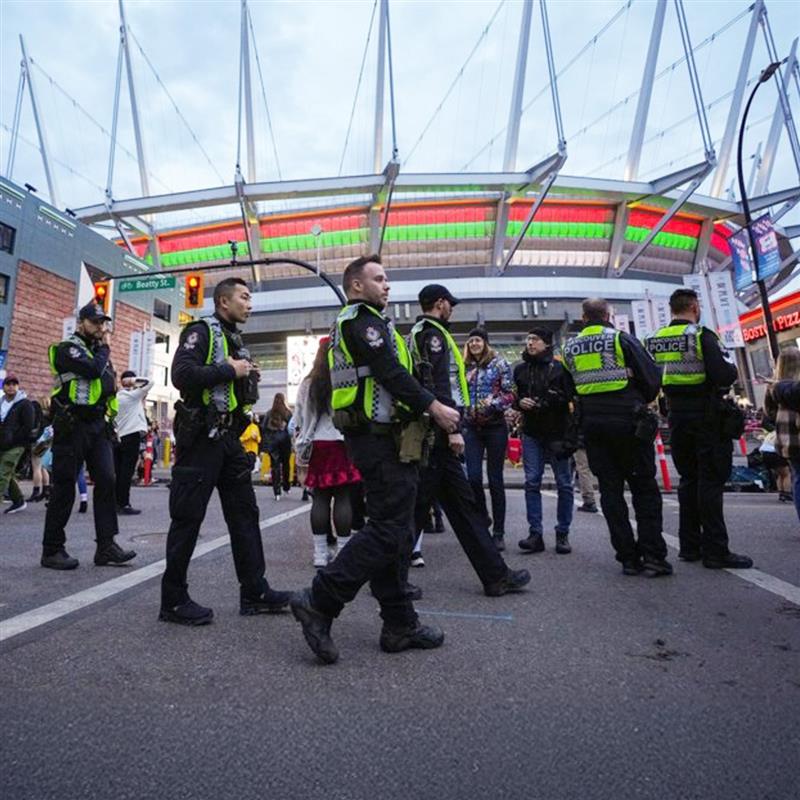
Sporting events and large-scale venue gatherings occur in many forms, from events like the FIFA World Cup to high-attendance concert tours such as Taylor Swift’s Eras Tour, Beyoncé’s Renaissance Tour, and U2’s 360 Tour. These events bring communities together and create memorable experiences through sport and entertainment. However, their popularity, scale, and visibility also make them potential targets for a wide range of evolving and emerging threats.
The goal of the Large Event Policing course is to establish a shared language and framework within the field of event safety and security. It provides the essential building blocks for anyone involved in public safety to develop the knowledge and skills needed to ensure successful and secure events-regardless of their size or complexity.
When you have completed this course you will be able to:
- Differentiate between events of varying complexity.
- Categorize various types of events based on their characteristics, objectives, and typical audience profiles.
- Outline legal authorities that govern the policing large events.
- Recognize different types of threats that could happen at a large event.
- Explain the purpose of a command and control structure.
- Assess the importance of effective communication in large event policing.
- Assess key principles of crowd control and crowd management during large events.
- Recognize various contingency plans that outline key operational priorities during unexpected incidents.
- Examine different fan behaviours at large events.
- Recognize the Critical Incident Command Structure during large events.
- Outline police priorities during a critical incident at a large event.
- Recognize after action and investigative considerations after responding to the critical incident.
Target Audience
Sworn Police, Police Services, Government and Other First Responders, Private Security
Content Provider
Content for this course was provided by members of the Vancouver Police Department.
Notice
This course was originally developed for Vancouver Police Department (VPD) and some content and links within this course are specific to VPD employees and cannot be accessed by non-VPD learners. If you are not a VPD member, please check your own service's policies, procedures, and resources as they relate to this topic.